Hybrid Plants
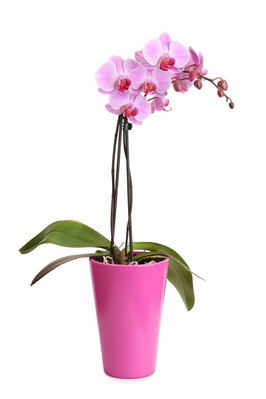
Hybrid plants are produced by crossing original plant varieties with each other. For example, if a certain geranium has lackluster petal color but healthy foliage and another variety has full, vibrant petals but thin foliage, the two can be bred repeatedly to produce offspring with both lush foliage and beautiful petal color. This is a simplified version of the process, however. The creation of new hybridized varieties of plants suitable for commercial vendors often takes years. There are also a tremendous amount of traits working under the surface: disease resistance, root efficiency, root spread, etc. As commercially produced cultivars (cultivated varieties) must be stable, they often spend considerable time in development.
Hybrid plants can succeed in landscapes for a number of reasons. They can be bred specifically for disease resistance, adaptation to a wider range of soils, increased water retention, or temperature resistance. Essentially, any trait that increases survivability or beauty can become more pronounced. The most successful hybrid plants are strains in which beneficial traits have been maximized while traits like decreased disease resistance or weak stems have been kept in check. Hybrid plants are now widely available, and in fact most commercially sold plant and flower varieties are cultivars. Cultivars usually differ significantly from the original plant variety.
Homeowners desiring to create hybrid plants of their own may do so via a process called seed saving. Seed saving is, as it sounds, the practice of saving seeds from particularly healthy plants for next year's re-planting. It begins by obtaining an original plant variety with which to work. Seed saving from cultivars is not recommended because it is likely that the plant has already gone through an extensive breeding process. The seeds from cultivars are also frequently infertile. Original plant varieties may be difficult to locate at the local garden center or plant nursery. Seed-saving catalogs and organizations, however, will be of great help here.
Once the appropriate plant varieties have been chosen for the landscape layout, homeowners can begin growing. Delicate flowers may be started indoors until the possibility of frost has lessened. Once the plants reach maturity, homeowners can begin selecting for the desired traits. When creating hybrids via seed saving, it is essential to select from multiple plants to ensure genetic variation remains intact. Re-planting from one or two specimens each planting cycle will quickly weaken the offspring, even if the original plants were quite hardy. Throughout the process, homeowners should keep a sharp eye out for any signs of ill health. Eliminating the possibility of plant damage by other means (soil pH, drainage, fertility, and exposure) can also go a long way in determining whether a plant's present ills are due to the hybridization process.
Tags: hybrid plant, homeowner, landscape, seed saving, cultivar

